
How We Feel Review
A beautifully designed, completely free mood tracker built to expand your emotional vocabulary.
Our rating
4.5 / 5
Starting price
Free
Free tier
Yes
Platforms
iOS · Android
Developer
How We Feel Project (nonprofit)
Launched
2021
Our verdict
How We Feel is a rare thing: a polished, science-informed mood tracker that is entirely free, with no ads and no upsell. Built by a nonprofit with input from researchers, it teaches you to name emotions precisely and offers coping strategies. If you want emotional literacy without a paywall, it is the standout.
This review is editorial and unsponsored, no affiliate payments influence our ratings. Selfpause makes a wellness app of its own, so where a product competes with us, we say so plainly and let you judge.
How We Feel is a nonprofit app developed with scientists, including emotion researcher Dr. Marc Brackett, and designers who previously worked on consumer tech. It is free, ad-free, and has no premium tier, unusual in this category.
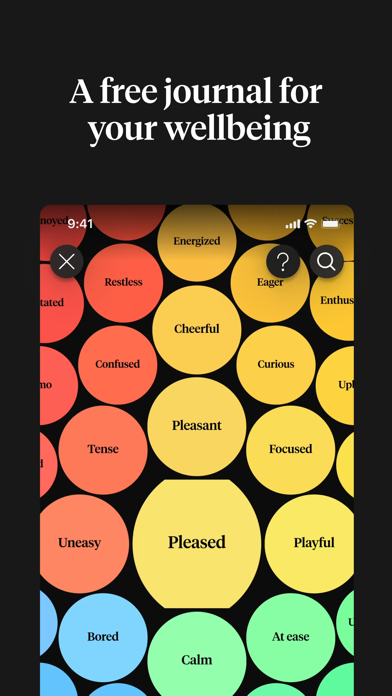
Its centerpiece is the "Mood Meter," which plots feelings across energy and pleasantness and then helps you pinpoint the precise word for what you are experiencing. Naming emotions accurately is a recognized skill that supports regulation.
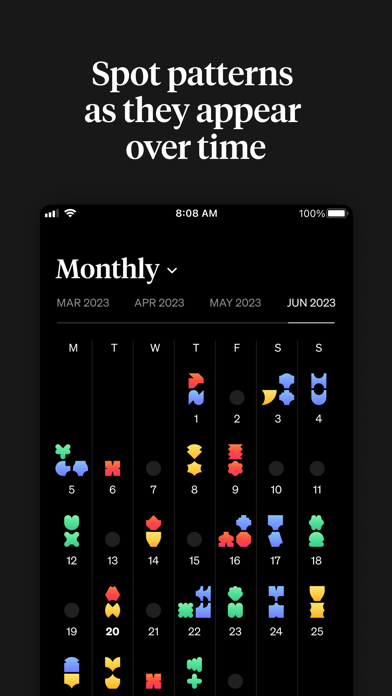
Beyond logging, it suggests evidence-informed strategies to shift or sit with how you feel. It is less about long-run analytics than Daylio and more about building emotional awareness in the moment, and it does that beautifully.
What How We Feel looks like
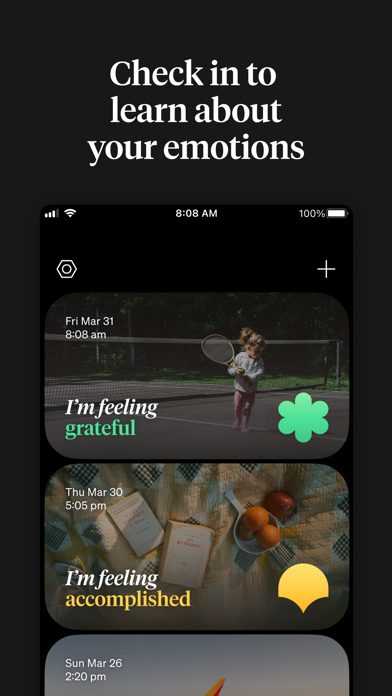
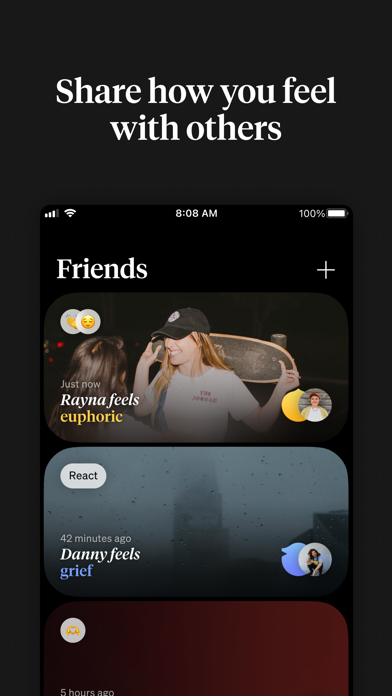
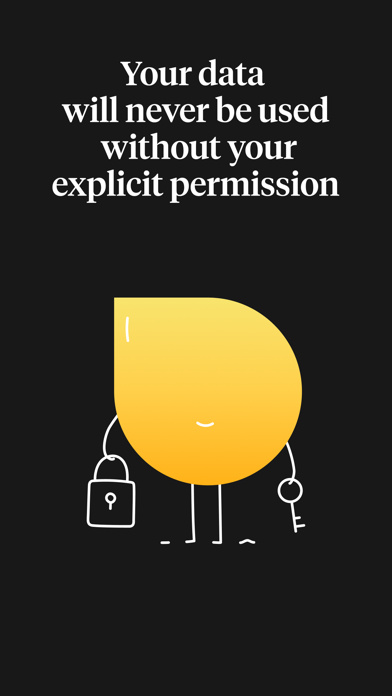
Screenshots from How We Feel’s App Store listing, © How We Feel Project (nonprofit).
Pros & cons
What we like
- Completely free, no ads, no subscription, built by a nonprofit.
- Teaches precise emotional vocabulary through the Mood Meter.
- Science-informed, with input from leading emotion researchers.
- Suggests practical coping strategies after each check-in.
- Gorgeous, calming design.
What we don’t
- Long-term analytics are lighter than Daylio’s.
- Less customizable activity tagging.
- It is awareness-focused, not a treatment or coaching tool.
- Smaller feature set than paid competitors (by design).
Best for / avoid if
Best for
- →People who want to get better at naming what they feel
- →Anyone who wants a quality mood tracker for free
- →Those put off by subscriptions and upsells
- →Beginners building emotional awareness
Avoid if
- →You want deep long-term stats and correlations, Daylio leads there
- →You want guided CBT programs, try Sanvello
- →You want clinical treatment
Pricing
Free
$0
The entire app, no ads, no premium tier, no upsell.
What How We Feel is
How We Feel is a free emotion-tracking app built by a nonprofit with scientific input. You log how you feel using a Mood Meter that helps you find the precise word, then it offers strategies to respond.
It is designed to build emotional literacy and in-the-moment regulation rather than to generate long-run analytics.
Why naming emotions precisely helps
How We Feel pushes you past "good" and "bad" to specific words, frustrated, content, anxious, serene. That precision, sometimes called emotional granularity, is linked to better regulation: you cannot manage what you cannot name.
The Mood Meter makes this practice approachable and even pleasant, which is why the app feels more like a gentle teacher than a logging chore.
The Mood Meter
A grid of energy and pleasantness that guides you to the exact emotion word for your state.
It is the heart of the app and its best teaching tool, turning a vague feeling into something specific you can actually work with.
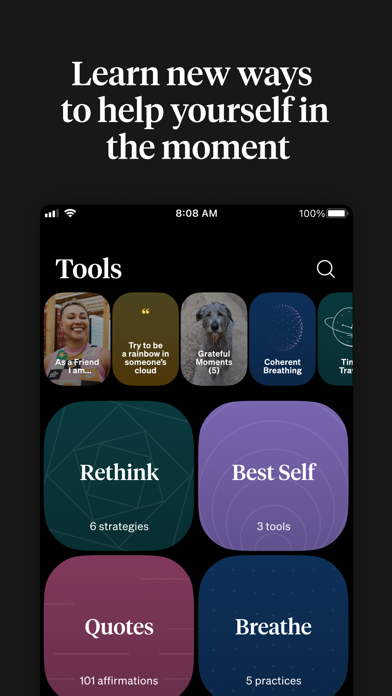
Coping strategies
After a check-in, the app suggests evidence-informed strategies suited to how you feel.
It nudges you from awareness toward action without pretending to be therapy, a sensible, honest scope.
Where How We Feel falls behind
Analytics depth. Daylio surfaces richer long-term correlations.
Customization. Activity and tag options are lighter.
Scope. It builds awareness; it does not treat conditions or run structured programs.
How We Feel vs. Daylio
Both are excellent and serve slightly different goals. How We Feel teaches emotional vocabulary and in-the-moment coping, free of charge. Daylio optimizes for fast logging and long-term pattern analytics.
Choose How We Feel if your aim is to understand and name your emotions better, with zero cost. Choose Daylio if you want detailed stats linking your activities to your mood over time.
There is no harm in using both: How We Feel for emotional awareness, Daylio for the data trail.
Bottom line
How We Feel is the best free mood tracker and the best for building emotional literacy. If you want deep analytics, add Daylio; if you want guided change, add a CBT app or therapy. But few apps give this much for free.
Want a daily positivity practice in your own voice? Selfpause lets you record personalized affirmations, layer them with calming music, and keep them on your lock screen.
Try Selfpause FreeAlternatives to How We Feel

Daylio
4.6Two-tap logging with deeper long-term analytics.
Read our review →

Finch
4.7Gamified self-care with mood check-ins.
Read our review →
Frequently asked questions
Is How We Feel really free?+
Yes, the entire app is free, with no ads and no premium tier. It is run by a nonprofit and funded outside the usual subscription model.
How We Feel or Daylio?+
How We Feel for emotional vocabulary and coping at no cost; Daylio for fast logging and richer long-term analytics.
Who made How We Feel?+
A nonprofit project built with designers and scientists, including emotion researcher Dr. Marc Brackett.
Can it replace therapy?+
No. It builds emotional awareness and offers coping strategies, but it is not treatment. For a diagnosed condition, see a professional.
A note on mental health: apps and online services can support wellbeing, but they are not a substitute for professional care. If you are struggling, a licensed professional can help, and if you are in crisis, contact your local emergency number or, in the US, call or text 988 (Suicide & Crisis Lifeline).
More mood trackers reviews
Daylio
4.6The two-tap mood journal that makes daily tracking so fast you actually keep doing it.

Bearable
4.4The tracker for complicated bodies and minds, mood, symptoms, meds, sleep, and habits in one correlated picture.

Stoic
4.2A journaling app with a worldview, morning preparation, evening review, and two thousand years of Stoic practice.