
Bearable Review
The tracker for complicated bodies and minds, mood, symptoms, meds, sleep, and habits in one correlated picture.
Our rating
4.4 / 5
Starting price
Free, then ~$34.99/yr
Free tier
Yes
Platforms
iOS · Android
Developer
Bearable
Launched
2020
Our verdict
Bearable is what you graduate to when mood alone is not the whole story: it tracks mood, energy, symptoms, sleep, medication, and habits side by side and shows which factors move together. Built by a founder managing chronic illness, it is the best health-context mood tracker, at the cost of a busier daily check-in than Daylio.
This review is editorial and unsponsored, no affiliate payments influence our ratings. Selfpause makes a wellness app of its own, so where a product competes with us, we say so plainly and let you judge.
Plenty of people’s moods cannot be separated from their bodies, chronic pain, hormones, medication changes, bad sleep. Bearable was built for exactly that reality, by a founder managing chronic health conditions, and it shows in every design decision.
You track what matters to you, mood, energy, symptoms and severity, meds and doses, sleep, habits, even weather, and Bearable’s insight engine surfaces correlations: which factors coincide with better days, which with flares.
The cost of that power is input: a Bearable check-in takes a couple of minutes against Daylio’s ten seconds. For people managing real complexity, or preparing data for a doctor, that trade is easily worth it.
What Bearable looks like

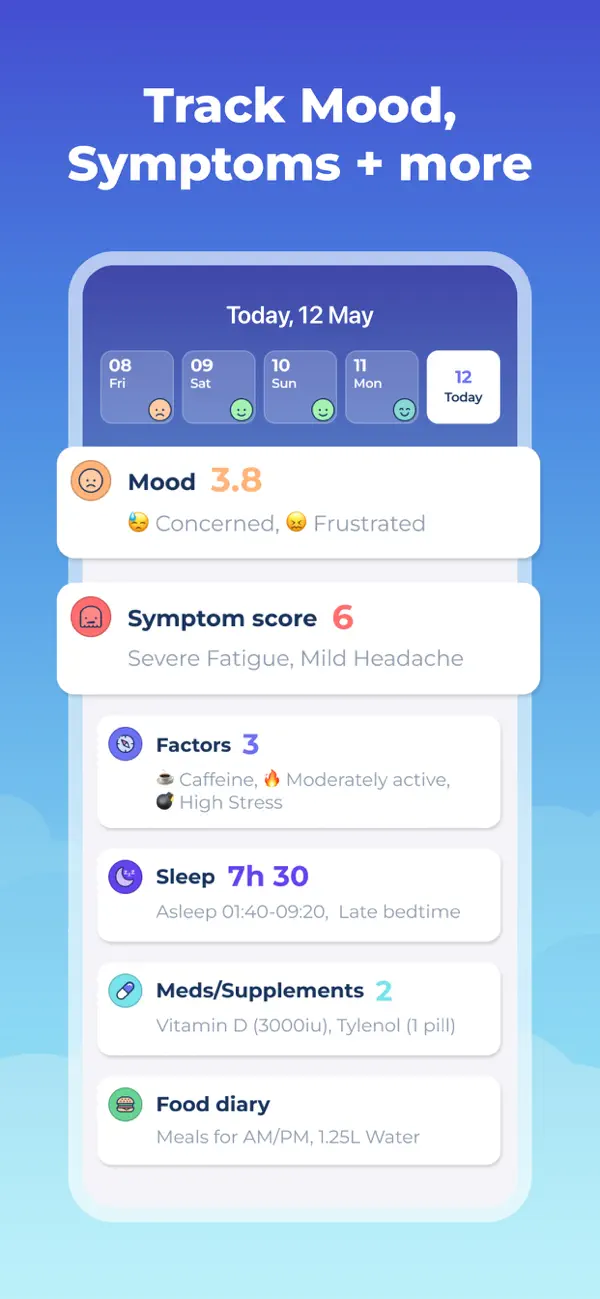
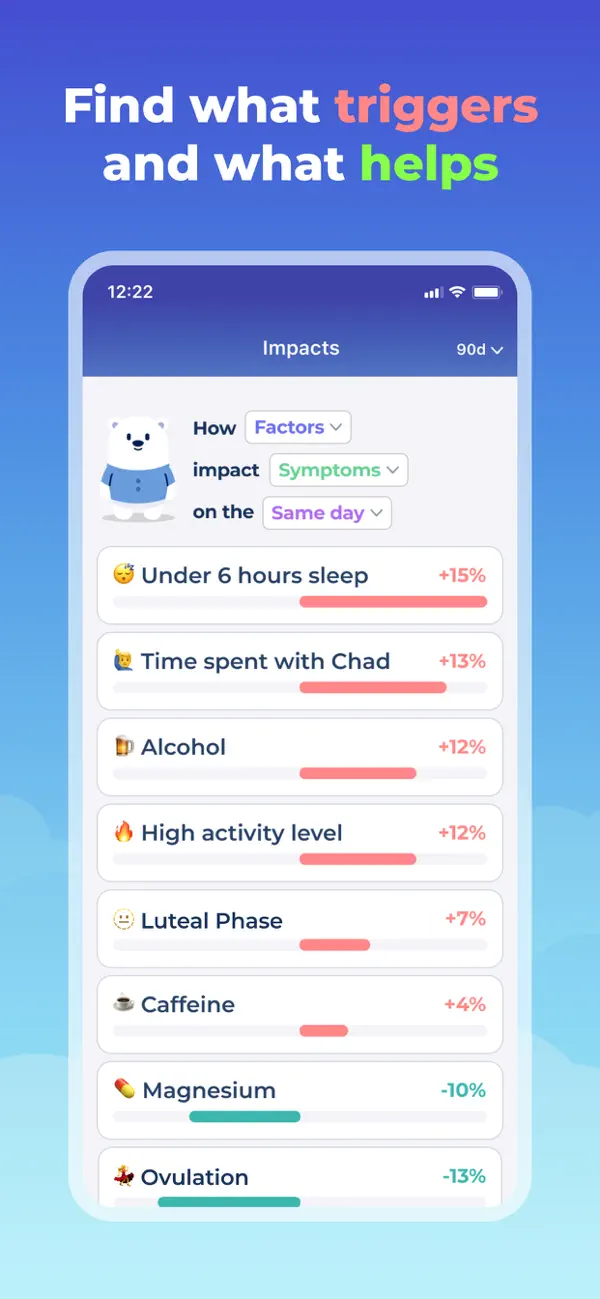
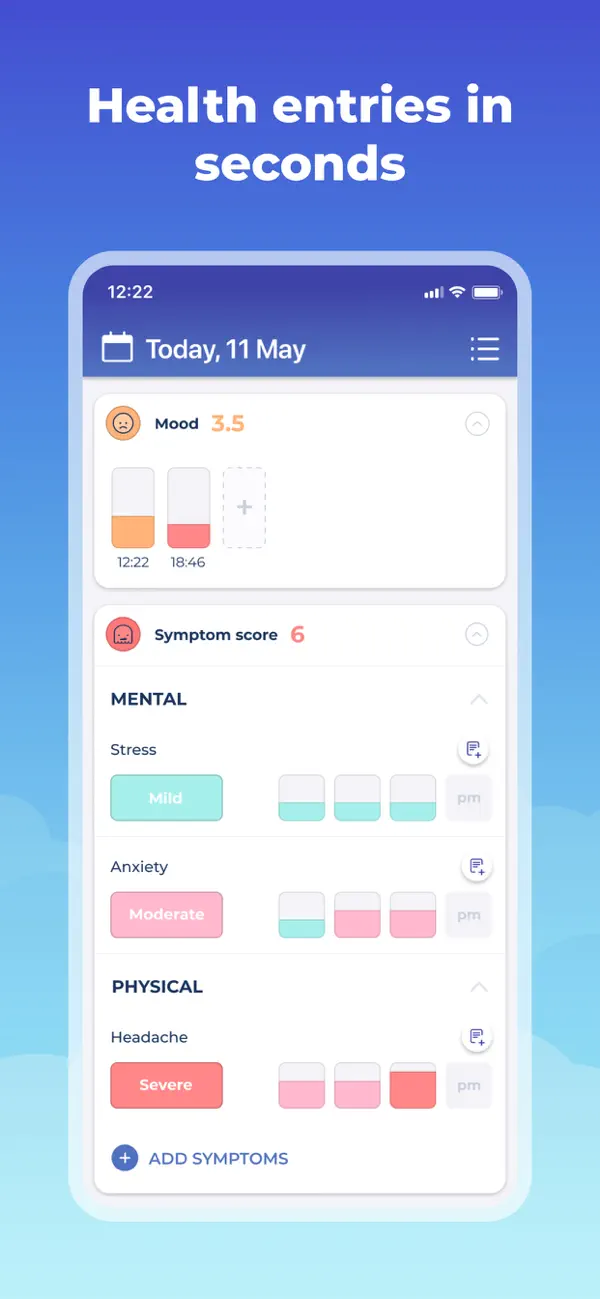
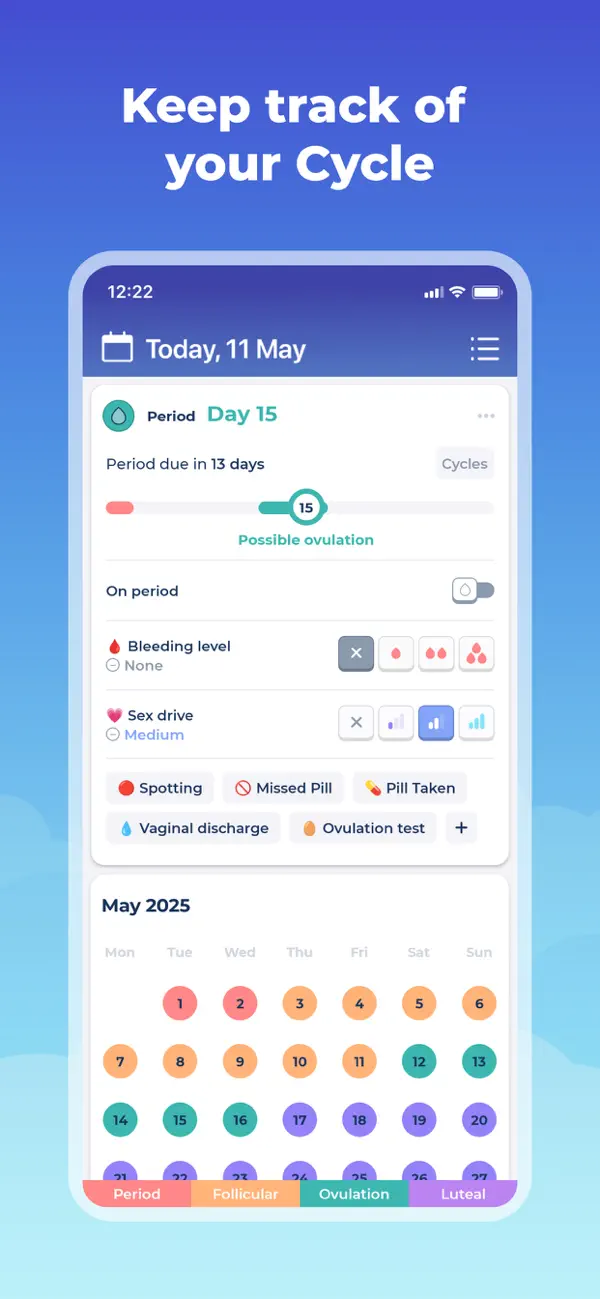
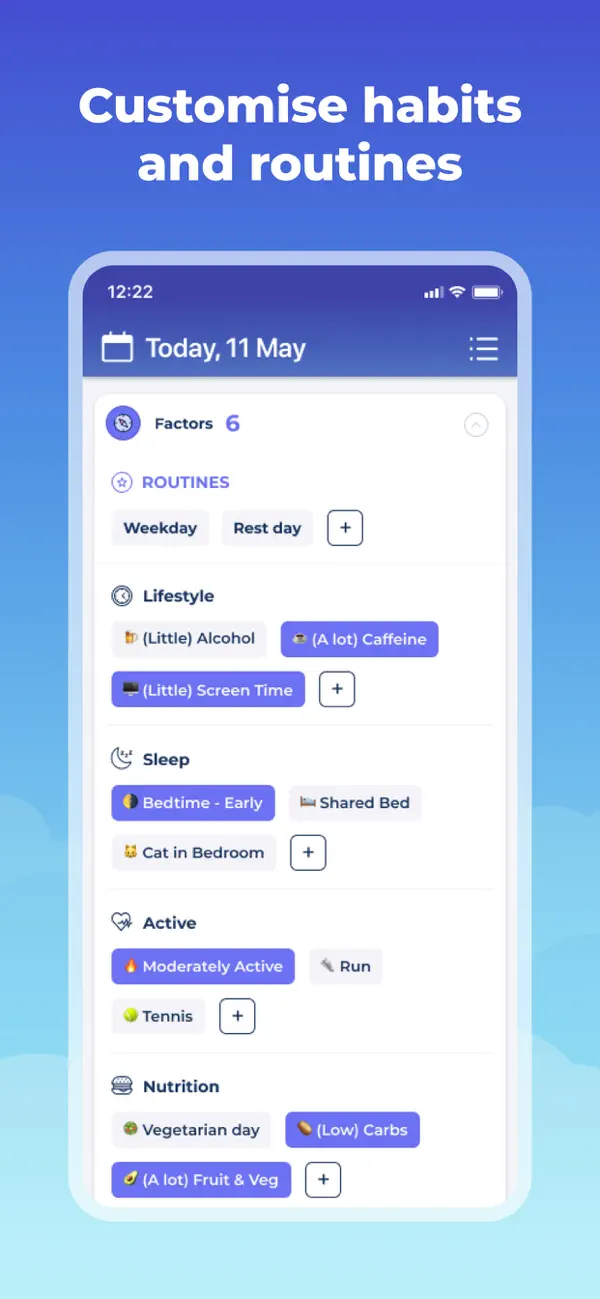
Screenshots from Bearable’s App Store listing, © Bearable.
Pros & cons
What we like
- Tracks mood alongside symptoms, meds, sleep, and habits, the full picture.
- Correlation insights that connect factors across categories.
- Excellent doctor-visit reports summarizing weeks of data.
- Deeply customizable to your exact conditions.
- Built with obvious lived experience of chronic illness.
What we don’t
- Daily input is heavier than two-tap trackers.
- Interface density can overwhelm at first.
- Best insights need weeks of consistent data.
- Premium required for the deepest analysis.
Best for / avoid if
Best for
- →People managing mental health alongside chronic conditions
- →Anyone tracking medication effects on mood
- →Patients who want organized data for appointments
- →Data-minded self-quantifiers
Avoid if
- →You want the fastest possible check-in, Daylio
- →You only care about emotions, not health factors, How We Feel
- →You will not sustain a multi-minute daily log
Pricing
Free
$0
Core tracking across categories with basic insights.
Premium
~$34.99/yr
Full insights, unlimited tracking categories, and reports.
What Bearable is
Bearable is a combined mood, symptom, medication, sleep, and habit tracker that correlates factors to show what actually moves your wellbeing.
It is a health-context tracker, built for people whose mental and physical health are one intertwined dataset.
Why tracking everything together matters
A mood-only tracker can tell you Tuesday was bad; Bearable can show Tuesday followed two poor nights and a missed dose. Causes live in the connections between categories, and Bearable is built around exposing them.
For anyone whose doctor asks "how have you been?", arriving with Bearable’s report changes the appointment.
Cross-category correlations
The insights engine compares factors, sleep vs. mood, meds vs. symptoms, habits vs. energy.
This is the payoff for the heavier logging: patterns you would never spot across separate apps.
Health reports
Exportable summaries of trends for doctor and therapist visits.
Turning months of lived experience into a one-page picture is Bearable at its most valuable.
Where Bearable falls behind
Friction. The richer log is exactly what some people will not sustain.
Simplicity. Daylio wins for pure mood habits.
Onboarding. The flexibility takes a week to tame.
Bearable vs. Daylio vs. How We Feel
Daylio is the fastest, How We Feel the most emotionally educational, Bearable the most complete. Effort scales the same way.
Choose Bearable when symptoms, meds, or sleep are tangled into your mood story; choose Daylio when consistency matters most; How We Feel when naming feelings is the goal.
A common path: start with Daylio, hit the limits of mood-only data, then move to Bearable.
Bottom line
Bearable is the best tracker for complicated health pictures, richer input, far richer insight. If you just want a mood streak, Daylio remains the easy keeper.
Want a daily positivity practice in your own voice? Selfpause lets you record personalized affirmations, layer them with calming music, and keep them on your lock screen.
Try Selfpause FreeAlternatives to Bearable

Daylio
4.6Two-tap simplicity for mood-only tracking.
Read our review →

How We Feel
4.5Free emotional-vocabulary builder.
Read our review →

Finch
4.7Gentle self-care if tracking feels clinical.
Read our review →
Frequently asked questions
What makes Bearable different from Daylio?+
Scope. Daylio logs mood and activities in seconds; Bearable adds symptoms, medication, sleep, and more, then correlates across categories, power for complexity, at the cost of effort.
Is Bearable good for chronic illness?+
It is the best mainstream tracker for it, built by a founder with chronic conditions, with symptom severity, med tracking, and doctor reports as first-class features.
Is Bearable free?+
A capable free tier exists; full insights and unlimited categories cost about $34.99/yr.
Can it diagnose anything?+
No, it reveals patterns to discuss with a professional. Correlation is a clue, not a diagnosis.
A note on mental health: apps and online services can support wellbeing, but they are not a substitute for professional care. If you are struggling, a licensed professional can help, and if you are in crisis, contact your local emergency number or, in the US, call or text 988 (Suicide & Crisis Lifeline).
More mood trackers reviews
Daylio
4.6The two-tap mood journal that makes daily tracking so fast you actually keep doing it.
How We Feel
4.5A beautifully designed, completely free mood tracker built to expand your emotional vocabulary.

Stoic
4.2A journaling app with a worldview, morning preparation, evening review, and two thousand years of Stoic practice.