
Cerebral Review
The subscription mental-health giant, rebuilt after scrutiny, cheaper than rivals, with history worth knowing.
Our rating
3.6 / 5
Starting price
From ~$95/mo (medication plan)
Free tier
No
Platforms
Web · iOS · Android
Developer
Cerebral Inc.
Launched
2020
Our verdict
Cerebral offers subscription medication management and therapy at competitive prices, with a slick experience and broad condition coverage. It also carries the category’s heaviest baggage: federal scrutiny over past stimulant prescribing and an FTC action over data sharing, after which it restricted controlled prescriptions and overhauled practices. Usable today, but go in informed, and compare alternatives first.
This review is editorial and unsponsored, no affiliate payments influence our ratings. Selfpause makes a wellness app of its own, so where a product competes with us, we say so plainly and let you judge.
Cerebral was the pandemic era’s fastest-growing mental-health startup, bundling psychiatric prescribing, therapy, and care counseling into monthly subscriptions. Growth outran governance: investigations into its ADHD stimulant prescribing and a later FTC action over data sharing forced sweeping changes.
The Cerebral of today is more conservative, controlled-substance prescribing is curtailed, focus rests on anxiety, depression, and insomnia medications plus talk therapy, and privacy practices were rebuilt under regulatory oversight.
Why review it at all? Because it remains large, priced under many rivals, and fine for straightforward cases, and because readers deserve the history alongside the price sheet. Trust, once spent, has to be visible in the ledger.
What Cerebral looks like

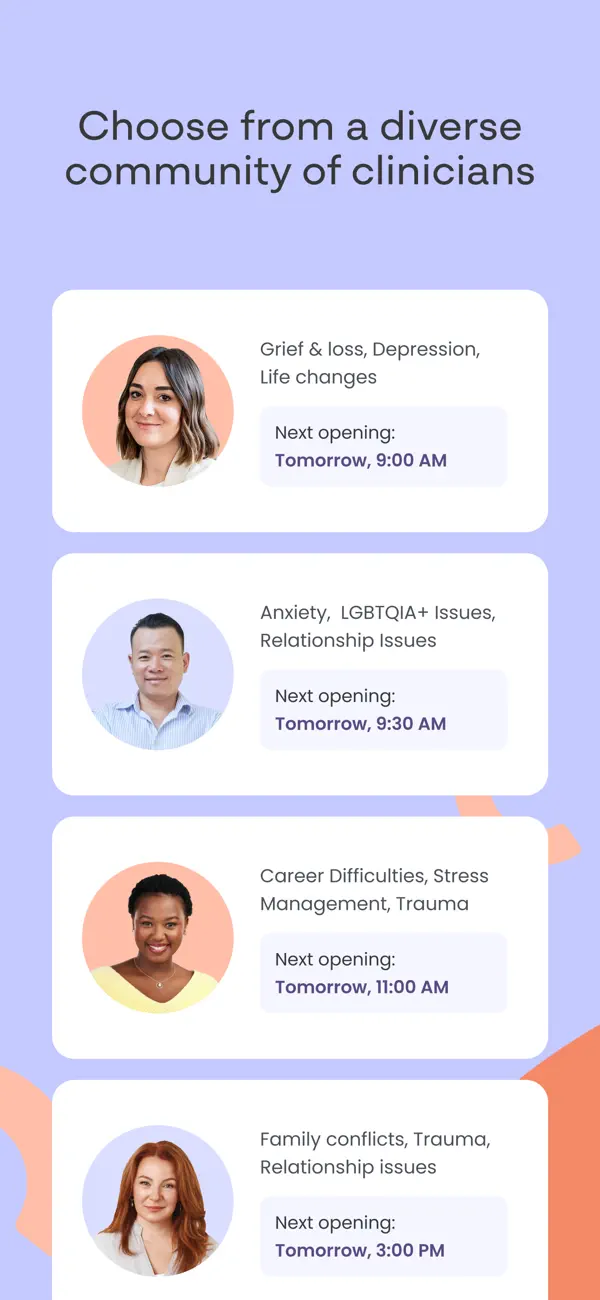
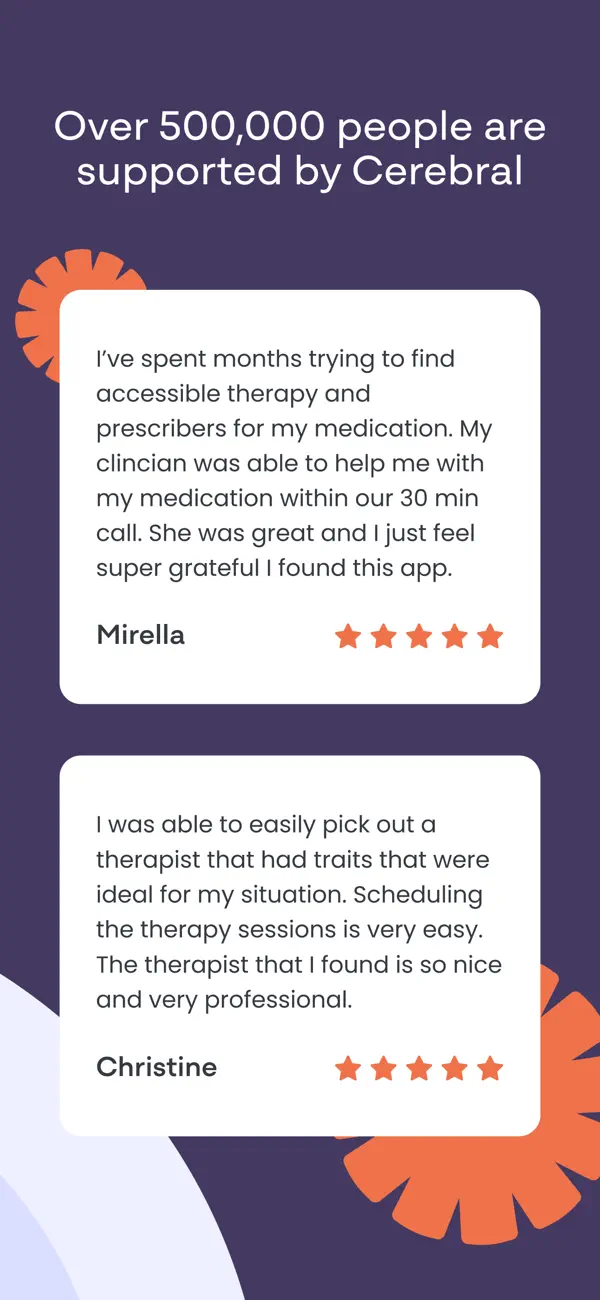

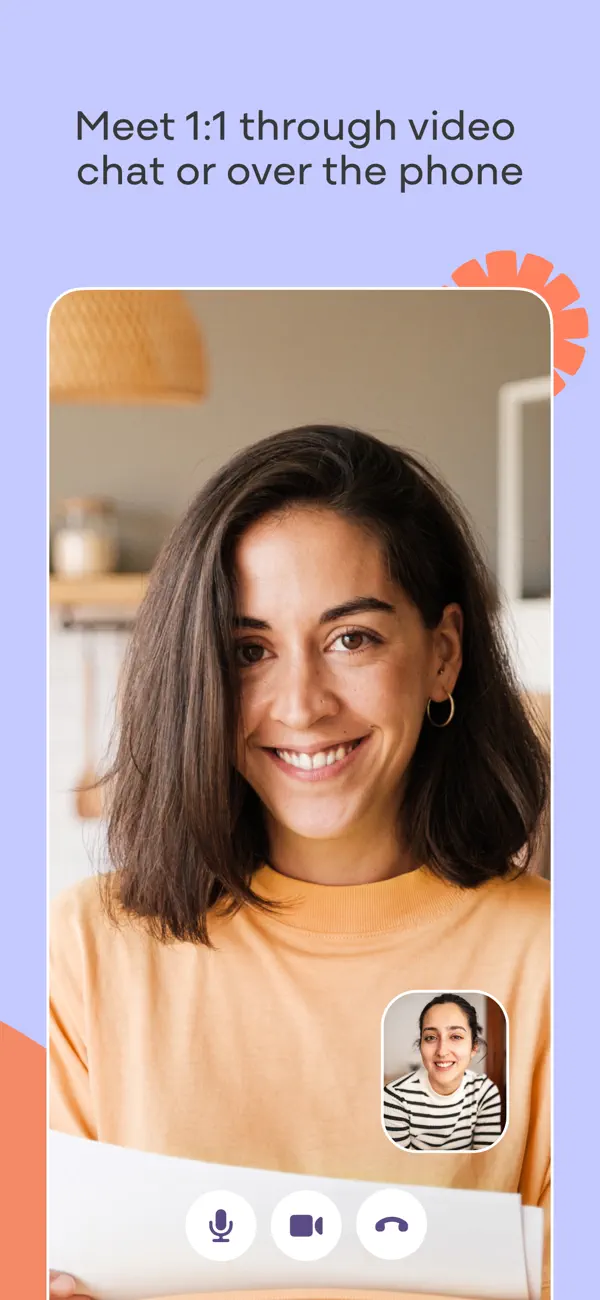
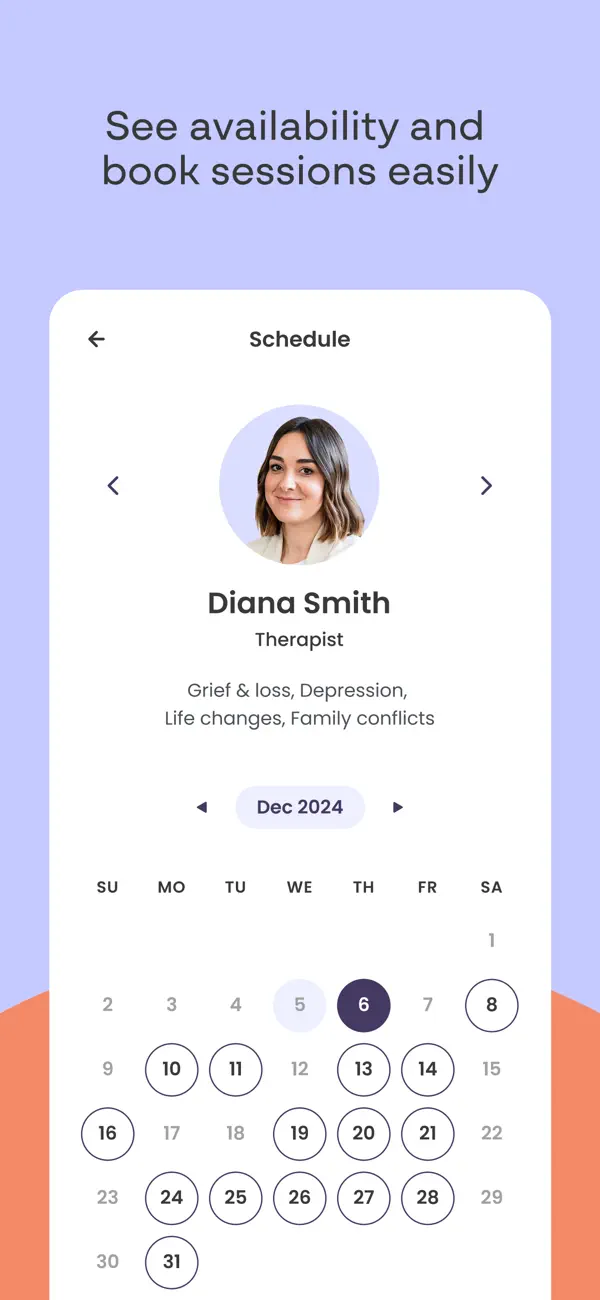
Screenshots from Cerebral’s App Store listing, © Cerebral Inc..
Pros & cons
What we like
- Competitive subscription pricing for medication management.
- Covers anxiety, depression, insomnia, and more in one service.
- Therapy and medication available together.
- Improved oversight and privacy practices post-reform.
- Fast onboarding and a polished app experience.
What we don’t
- Serious regulatory history, prescribing scrutiny and an FTC data action.
- Controlled-substance prescribing is heavily restricted today.
- Clinician turnover and continuity complaints persist.
- Insurance acceptance is narrower than Talkiatry or Brightside.
Best for / avoid if
Best for
- →Straightforward anxiety/depression medication needs on a budget
- →People comfortable with subscription care after reading the history
- →Those wanting therapy and meds in one inexpensive bundle
Avoid if
- →You need ADHD or controlled-substance prescribing, Talkiatry
- →Data-handling history is disqualifying for you, understandable
- →You want measurement-based structure, Brightside
- →You are in crisis, use emergency services or a crisis line
Pricing
Medication
~$95/mo
Prescriber visits and medication management; pharmacy costs separate.
Therapy
~$295/mo
Weekly sessions with a licensed therapist.
Combined
~$365/mo
Medication plus therapy bundled.
What Cerebral is
Cerebral is a subscription telehealth service offering psychiatric medication management and therapy for common conditions, rebuilt under regulatory oversight after 2022-era controversies.
It is the budget subscription option in psychiatry, serviceable today, with a history that belongs in the decision.
Why the history is part of the review
Mental-health care runs on trust, and Cerebral broke some, prescribing practices that drew federal attention and ad-tech data sharing that drew the FTC. Its reforms appear real; the record remains.
Our position: informed adults can reasonably choose Cerebral for simple cases on price. Choosing without knowing was never reasonable, and some competitors never gave you reason to check.
Subscription care plans
Monthly bundles cover prescriber or therapist access with messaging between visits.
The pricing is the draw, consistently under comparable Brightside tiers.
Reformed prescribing and privacy
Post-scrutiny policies restrict controlled substances and govern data under FTC order.
Constraint born of consequence, but constraint nonetheless, and the right one.
Where Cerebral falls behind
Trust. The record is public and fair to weigh heavily.
Scope. Controlled prescriptions are largely off the table.
Insurance. Coverage is thinner than insurance-first rivals.
Cerebral vs. Brightside vs. Talkiatry
Talkiatry is the in-network medical practice, Brightside the measured specialist, Cerebral the discount subscription with history.
Our order of operations: check Talkiatry coverage first; uninsured, prefer Brightside’s structure for anxiety/depression; consider Cerebral when budget rules and your case is simple.
Whatever you choose, ask any prescriber the same questions, diagnosis reasoning, alternatives, exit plan. Good ones welcome it.
Bottom line
Cerebral is usable budget telepsychiatry for simple cases, provided you make the choice with its full history in view. Most readers are better served starting with Talkiatry or Brightside.
Want a daily positivity practice in your own voice? Selfpause lets you record personalized affirmations, layer them with calming music, and keep them on your lock screen.
Try Selfpause FreeAlternatives to Cerebral

Talkiatry
4.4In-network psychiatry, conventional scope.
Read our review →

Brightside
4.2Measured anxiety/depression care.
Read our review →

Talkspace
4.2Therapy-first with psychiatry attached.
Read our review →
Frequently asked questions
What happened with Cerebral?+
Two things: federal scrutiny of its pandemic-era ADHD stimulant prescribing, after which it sharply restricted controlled substances; and an FTC action over sharing user data with advertisers, resulting in penalties and mandated privacy reforms.
Is Cerebral safe to use now?+
For straightforward anxiety/depression care, its reformed practices are serviceable. We still rank Talkiatry and Brightside ahead on trust and structure.
Does Cerebral prescribe stimulants?+
Controlled-substance prescribing is heavily restricted following the controversies. ADHD patients should look to in-network practices like Talkiatry.
Why is it cheaper?+
Subscription scale and a leaner model. Cheaper is real, just price the history alongside the dollars.
A note on mental health: apps and online services can support wellbeing, but they are not a substitute for professional care. If you are struggling, a licensed professional can help, and if you are in crisis, contact your local emergency number or, in the US, call or text 988 (Suicide & Crisis Lifeline).